Prime Health Channel

Food, Nutrition and Diet

Marasmus is a serious condition that reportedly affects over 50 million children in the Third World countries who are less than 5 years of age. Read and know all about the causes, symptoms, diagnosis and treatment of this dreaded disease.

What is Marasmus?

It is a form of malnutrition that arises most commonly in infants in the developing countries who are less than one year of age. It is an extreme type of emaciation and wasting resulting due to lack of protein and energy in the body.

Marasmus Pictures
Picture 1 – Marasmus

The word “marasmus” is also used to make an approximate reference to “Anaclitic Depression.” It is a term coined by René Spitz to denote all those children who suffer from the loss of their mother in the very early stages of their life without getting a proper substitute.


Polydipsia Definition

poly 1

Polydipsia

Picture 1 – Polydipsia
Source – www.livestrong.com

Polydipsia is a term of Greek origin that has been derived from the term ‘poly’ meaning much or many, and ‘dipsia’ meaning thirst. The definition of polydipsia can be framed as a medical symptom of various underlying diseases that is characterized by chronic excessive thirst which is quenched by the intake of an excess amount of water or any other fluid. It is usually a result of the loss of essential body fluids or of blood through bleeding. Excessive intake of water can lead to an imbalance in the electrolyte and sodium content in the blood, thereby leading to saline imbalance in the blood.

Polydipsia can be of specialised forms, namely, psychogenic polydipsia and primary polydipsia, which is actually non-psychogenic in nature. Psychogenic or psychological polydipsia is associated with mental disorders. It is also known as polydipsia schizophrenia. In case of primary polydipsia, drying of the mouth is the most primary symptom. When associated with diabetes, it is known as polydipsia diabetes. In fact polydipsia in diabetes is quite common and truly speaking in most cases, polydipsia and diabetes go hand in hand.

High intake of fluid in case of polydipsia may lead to polyuria, which is a condition characterized by an increased frequency in urination. Polyuria and polydipsia are quite related to each other and may occur simultaneously. Polydipsia may turn serious enough if not controlled to cause heart attacks or strokes. Polydipsia in children is a common phenomenon but its nature and extent differs from those of the adults. Along with humans, polydipsia in dogs and cats may also be noticed.

Polydipsia Causes

The causes of polydipsia are quite a few which may be listed as the following:-

  • Diabetes – Both diabetes mellitus and diabetes insipidus are responsible may cause polydipsia. Such a case either occurs naturally or may be triggered by the side effects of diabetic medications. Within diabetes mellitus, transient neonatal and insulin dependent types and within diabetes insipidus, both nephrogenic and neurogenic types are responsible for causing polydipsia.
  • Acid-Base imbalance – Abnormality in the normal acid and base level in the body, resulting in the deviation of the normal plasma Ph level may also lead one to feel increasingly thirsty. This causes dehydration and leads one to drink excessive volumes of water, thereby leading to polydipsia and its associate, polyuria.
  • Anxiety – It is also another cause that may induce or reduce the blood pressure, causing one to feel increasingly thirsty.
  • Acromegaly – The excessive secretion of the growth hormone by the pituitary glands causing severe body complications may also be responsible for causing polydipsia.
  • Acute Peritonitis – Infection or even disruption of the serous membrane may cause its inflammation, giving rise to other problems such as abdominal pain and tenderness, sequestration of body fluids and electrolytes leading to polydipsia, renal failure, etc.
  • Adrenal Gland complications – Problems associated with the adrenal glands such as adrenal adenoma or tumour, adrenal gland hyperfunction, hyperadrenalism, adrenal cortex neoplasms, adrenal incidentaloma and adrenal cancers like adrenal cortical cartinoma are also quite responsible to a great extent for causing polydipsia.
  • Alsing Syndrome – A syndrome characterized by renal problems, optic complications and skeletal abnormalities may also trigger polyuria and polydipsia, due to the renal complications involved.
  • Anorexia – Also known as anorexia nervosa, it is an eating disorder in which case one refuses to eat properly with an apprehension of gaining excess weight. Such a disorder is actually self-perpetuated method of starving. It is more common among the fairer sex rather than among guys and is another basic cause of polydipsia. It leads to psychiatric problems, and a massive loss of weight, which may perpetuate to ultimately lead to death. It is also known as habit polydipsia.
  • Apparent Mineralocorticoid Excess Syndrome – This is an autosomal recessive disorder that is also responsible for increasing blood pressure and lowering the potassium level, thereby causing polydipsia.
  • Bartter Syndrome – It is a rare inherited syndrome affecting the kidneys which is characterized by low levels of potassium, constipation, along with low blood pressure, polydipsia and polyuria.
  • Boichis Syndrome – It is also a rare syndrome that is inherited which involves complete renal failure and hepatic fibrosis as a result of congenital nephronophthsis. A symptom of this syndrome includes polydipsia.
  • Conn’s Syndrome – Also known as Aldosterone-Producing Adenoma, this syndrome is related to the over production of aldosterone, thereby leading to various kinds of problems such as heart failure, nephrotic syndrome, hepatic cirrhosis, which also includes polydipsia as a symptom and consequence.
  • Cyclic Vomiting Syndrome – Cyclic Vomiting Syndrome is a syndrome that makes a person vomit a number of times which may also include traces of blood or in fact blood, along with other symptoms such as abdominal pain, headaches, and migraines.
  • Cushing Syndrome – It is a disorder that results due to the body’s exposure to high levels of cortisol that may either be produced normally or may be induced by steroids. This causes skin problems, sexual problems, and other problems within which fall polydipsia and polyuria.
  • DEND Syndrome – It is an inherited disorder that causes delay in the process of physical and mental development of a person and is highly associated with diabetes and epilepsy. Polydipsia may also be attributed to the same.
  • Diarrhoea – Diarrhoea may be highly associated with polydipsia or polyuria as it entails heavy loss of body fluids which may lead to dehydration and electrolyte imbalance. Its severity may even lead to the death of a person as the person loses essential body fluids and salts through uncontrolled bowel movements and frequency of urination.
  • EAST Syndrome – It is a genetic disorder that is highly associated with ataxia, epilepsy, salt-wasting renal Tubulopathy, and sensorineural deafness. It is usually triggered by abnormal blood pressure, hypokalemia or low potassium levels, low magnesium levels in the blood, a condition known as hypomagnesaemia. This results in polydipsia or polyuria.
  • Excessive Perspiration – Sweating beyond a certain limit beyond normalcy rips the body of the essential body salts and minerals, which not only aids polydipsia and polyuria but can also give rise to certain severe complications.
  • Hypopituitarism – It refers to the decreased secretion of follicle-stimulating hormone or of luteinizing hormone or more hormones by the pituitary glands. It is signalled by the occurrence of Acromegaly, tumorous growth, headaches, optic nerves and also polydipsia or polyuria.
  • Fanconi Syndrome – This syndrome is either caused due to genetically motivated factors or may either pop out of damage to the kidneys. It is one of the basic reasons behind the occurrence of polydipsia in children and the aged.
  • Froelich’s Syndrome – Froelich’s Syndrome is a rare disease that is actually triggered by damage caused to the hypothalamus or the formation of tumour in the pituitary glands, thereby leading to endocrine abnormality. Among the very many symptoms of this syndrome, excessive thirst and urination do form a significant part.
  • Gitelman Syndrome – A mild variant of Bartter’s Syndrome, Gitelman Syndrome is a renal defect that is ascribed by birth and is characterized by the automatic release of essential minerals and salts through the urine without being absorbed into the bloodstream. This causes one to feel quite very thirsty as one has to go to ease oneself frequently.
  • Hypercalcaemia – This disorder is characterized by an elevated amount of calcium in the blood which is signalled by feebleness, constipation, vomiting, polydipsia and polyuria.
  • Hypokalemia – Also known as hypopotassemia, it refers to a metabolic disorder characterized by poor levels of potassium in the bloodstream. Excessive thirst, constipation and frequent urination are some of the symptoms of this disorder.
  • Polydipsia hyponatremia – It is a metabolic condition that is characterized electrolyte imbalance due to poor sodium content in the blood.

Beyond the ones mentioned above, the other causes of polydipsia may be listed as the following:-

  • Aceruloplasminemia
  • Anticholinergic poisoning
  • Paroxymal Supraventricular Tachycardia
  • Injury to the head
  • Cystinosis
  • Neurosarcoidosis
  • Phenol sulfotransferase
  • Langerhans Problems
  • Nephronopthisis
  • Overactive thyroid glands
  • Parathyroid cancer
  • Sheehan’s and Schroeder Syndrome
  • Stress
  • Systemic Capillary Leak Syndrome
  • Thyrotoxicosis
  • Wolfram and Wohlmann-Caglkar Syndrome
  • Side-effects of certain drugs and medications such as methacycline, vasopressin resistant drugs, glucotrol, etc, may also lead to polydipsia.

The Scarsdale Medical Diet

The Scarsdale Diet is a strict dietary practice that is premised on the ground of ensuring weight loss by restricting the intake of calories and substituting its loss with high protein ingredients. It is a grand innovation of an eminent cardiologist, Dr. Herman Tarnower from the United States who has brought forth this unique dietary practice that helps one to shed extra fat from the body in an easy and highly systematic manner. It is due to this revolutionary achievement that he is also known as Scarsdale Diet Doctor.

Since the release of his book “The Complete Scarsdale Medical Diet” in 1979, this dietary practice has gained immense popularity not only in the US but also in the entire world. The Scarsdale Diet plan has been carved out for only 14 days in such a form as to eliminate most of the carbohydrates and fats that may prove harmful for the body. Although the Scarsdale Diet Menu permits the intake of carbs such as whole grains, yet it in no way promotes the consumption of food items that may lead to high cholesterol levels. It is this scientific proven efficacy of the diet that makes it appealing to the masses. It is basically a Keep Trim Diet Program that helps to lose at least 7-15 pounds and helps one to keep slim and trim for a considerable period of time or may be even for a lifetime.

Scarsdale Diet Book

The book called the “The Complete Scarsdale Medical Diet”, authored by the famous cardiologist, Herman Tarnower and published in the year, 1978-79 spread its wings of popularity far and wide owing to the proved medical efficiency of this dietary practice. It was actually a book documenting the diet he usually recommended to his patients which turned out to be a revolutionary achievement in the field of medical science and made it the immediate bestseller of that year. However, the doctor credited for innovating this diet was unfortunately murdered on the 10th of March, 1980 by his long-time lover, Jean Harris. This immediately became a sensation all around the world with the daily headlines captioned as “Scarsdale diet doctor murder” in all leading newspapers. It was a such a sensational event that it was also made a subject for the American Movie “Mrs. Harris”.

Scarsdale Diet Menu

Scarsdale Diet Menu
Picture 1 - Carrots
Source – tehrantimes

The Scarsdale Diet allows for the intake of food rich in proteins but intended to curb extra fat and calories. The menu consists of fruits and vegetables that are fiber rich in nature such as carrots and celeries. This forms the core of a vegetarian Scarsdale diet. The sources of protein that are promoted by this diet are actually derived not only from fish sources but also from lean sources of mutton, chicken and beef. Beverages such as coffees, diet and club sodas and herbal tea are permitted but alcoholic drinks are strictly forbidden. But all the drinks permitted should be sweetened with artificial sweeteners for the reason that sugar is in no way allowed in the Scarsdale Dietary Menu Plan.

Even for vegetables, one must avoid starchy and high carb ones such as corns, potatoes, peas, lentils and beans. The salad prepared for the same is must not contain oil, mayonnaise or any other kind of rich dressings. Fat-free salad dressings with lemon, vinegar, mustard and vinaigrette are permitted in this case. Besides, cocktail sauce, herbs, non-stick vegetable spray, minced parsley, spices, seasonings, sugar free ketchup, and chili sauce are other additions that are permitted with moderation. The menu is actually strict during the 14 day plan but tends to become flexible in terms of meals.

Scarsdale Diet Recipes

There are variations within the Scarsdale diet recipes and meals, which is manifested by the nature of ingredients required and the process of its preparation.

For the Zesty Hamburger Scarsdale preparation meant for the non-vegetarians must take a pound of lean ground chuck. Add a tablespoon of Worcestershire sauce and a teaspoon each of garlic powder and pepper. Then pieces of finely chopped onions must be put brought into fore. These ingredients must be mixed together and be patted out into 4 pieces of burgers of equal size. The mixture must be broiled for 15-20 minutes until the chucks secrete juices.

The non-vegetarians also prefer another dish by the name of Seasoned Fish with Japanese vegetables. The ingredients for such a dish includes four pieces of tilapia, a lemon cut along the wedges, two cups of fresh beans, a pair of grated carrots, one-fourth of an onion, a sliced and cored green pepper, a cup of fresh sliced mushrooms, and a cup of snow pea pods. As for the process or method of preparing the dish, the first step is to place the fish fillets into a skillet sprayed with vegetable spray. Then one must sprinkle pepper, salt, oregano, ginger powder, thyme on top of the mixture. The ingredients must be steamed until done. Then the matter must be removed from the skillet and a lemon must be squeezed over the fillets. Vegetables must be added as the next step. Then the sauted vegetables need to be cooked in medium heat and after it is cooked, they must be served in 4 equal portions to the server.

The dressings can be prepared with the help of one fourth of a cup of red wine vinegar, a teaspoon of fresh garlic, a teaspoon of ground black pepper, and a finely crushed beef bouillon cube. All the Scarsdale diet dressing ingredients must be mixed together and be let for 10-15 minutes. Then the vegetables need to be tossed in a large bowl and it must be tossed once more after pouring the dressing over the vegetables. Thus, it is ready to be served to four with a cup of dressings each. Similarly, the most common method of making the salad is to add 4 cups of mixed lettuce greens and two tomatoes cut and chopped into wedges, sliced olives, a medium sized cucumber cut into short thin sticks, a quarter of a medium sized diced red onion.

The Scarsdale diet recipes and meals vary on the basis of an individual tastes & preference. All are meant to help us lose extra body fat and nothing beyond.


The Cabbage Soup Diet Information

Cabbage Picture
Picture 1 – Cabbage
Source – mycelebritydiet

The cabbage soup diet is a kind of diet that is actually intended for the radical loss of weight within a short period of time to for the benefit of one’s health. The cabbage soup diet weight loss is ensured by the cabbage soup diet plan which entails the heavy consumption of a low-calorie cabbage diet soup for a period of 7 days. The 7 day cabbage soup diet is in fact a high fever low fat diet that intends to the shedding of at least 10 pounds of extra body fat. This the reason it is also known as cabbage soup fad diet as it leads one to get in shape and size which ultimately may prove beneficial for one’s health. Also known as sacred heart cabbage soup diet, it has also come into the ambit of great criticism from nutritional experts who claim that the so called weight loss promoted by cabbage soup diet is actually water loss in nature.

Origin of Cabbage Soup Diet

If one wants to know the original cabbage soup diet, one may not be able to know the same as medical science lacks evidence to trace the origins of this diet. However, it was only in the 1980s that it gained popularity as a faxlore. The cabbage soup diet has been ascribed a number of other names such as “TJ Miracle Soup Diet”, “Sacred Heart Diet”, “Military Cabbage Soup”, “Russian Peasant Diet” and “General Motors Diet” linking them to a mainstream institution. For reasons unknown, sometimes it is also known as “Mayo Clinic Cabbage Soup Diet”. Although there is no specific scientific reason to attribute its name to Mayo Clinic.


A phenomenal change took place in the year 1972 in the history of medical science with the introduction of an innovative dietary regime which put forth a new kind of dietary practice that was basically meant to curb the consumption of carbohydrate in order to lose weight without curtailing on the intake of food of a high calorific value. The credit for developing such a unique diet goes to the famous heart specialist, Dr. Robert Atkins whose works, Dr. Atkins Diet Revolution & Dr. Atkins New Diet Revolution have truly revolutionized the process of properly maintaining ones diet so as to keep the heart strong and to maintain mental and physical fitness.

What is Atkins Diet?

Officially known as the Atkins Nutritional Approach, it is based on the ground that the consumption of refined carbohydrates such as sugar, corn syrup rich in fructose and flour burns the glucose to produce energy instead of the fat stored in the body which is the task of the Atkins Diet. The process of breaking down of the lipid molecules in the liver to convert it into ketone bodies and fatty acids inorder to produce energy is known as Ketosis or Lipolysis. Instead of raising the blood sugar level which is the work of high caloric carbohydrates, Ketosis occurs when the blood glucose levels are actually low. This kind of nutritional approach also claims to ease metabolic activities and particularly is beneficial for diabetic patients.

Atkins Diet Plan (Program)

The Atkins Nutritional Approach is a steady and highly efficient technique of diet maintenance which is followed in 4 different phases, namely Induction, Ongoing weight loss, pre-maintenance and lifetime maintenance. In spite of being distinctive in nature each phase is a development over the other. A detailed study of all the four phases follows:-

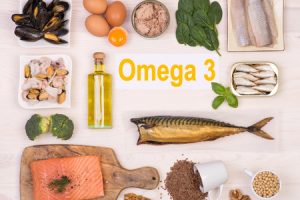
atkins diet food

Picture 1: Atkins Diet Food

Atkins Diet Phase 1 : Induction

Also known as the Atkins Diet Induction process, this phase basically follows a ketogenic diet in order to usher in the state of Ketosis. Such a diet restricts the intake of carbohydrates to more than 20 g net carb per day so as to prepare the body to switch gear to an alternative energy source in order to lose excess weight and remain healthy. The normal duration of this phase is 2weeks but it may also extend up to 3weeks or more depending on the ability on the endurance ability of the individual. It also helps to come over the symptoms of high blood sugar levels such as mood swings, fatigue and brain fog. In the 1st phase the dieters are supposed to abide by the Atkins Diet menu plan which harps on the consumption of protein and fat rich food.